
Pregnancy and parenthood can bring a mix of emotions, from excitement and joy to anxiety, sadness, or feeling overwhelmed. Adjusting to these changes isn’t always easy.
Perinatal and postpartum therapy provides a supportive, judgment-free space to navigate pregnancy, life after childbirth, fertility challenges, or pregnancy loss while working through your emotions at your own pace in Naperville, IL.

There is often pressure to feel happy during pregnancy or after having a baby, which can make difficult emotions even harder to talk about. You may feel overwhelmed by the changes happening around you while also wondering why you are not feeling the way you expected.
Pregnancy and early parenthood can affect your sleep, relationships, identity, routines, and sense of independence. You may also find yourself worrying constantly, feeling emotionally disconnected, or struggling to enjoy things that once felt natural.
You do not have to wait until you feel completely overwhelmed to reach out. Therapy Works Wonders gives you a place to talk honestly about what is happening and work through the emotional changes that come with this stage of life.
Postpartum Depression
Postpartum depression can involve persistent sadness, low motivation, irritability, emotional numbness, guilt, or feeling disconnected from yourself or your baby. Therapy Works Wonders provides a place to talk through these feelings and work toward feeling more like yourself again.
Perinatal Anxiety
Trying to conceive can bring uncertainty, disappointment, and emotional stress. Infertility counseling provides a supportive space to navigate fertility treatments, unsuccessful attempts, difficult decisions, and the challenges of trying to become pregnant.
You may be caring for your baby and keeping up with responsibilities while struggling inside. Sleep deprivation, recovery after birth, and the constant demands of a newborn can make it hard to notice when stress has become something more, like nonstop worry about your baby or feeling numb and tearful most days.
Relationships also change during pregnancy and early parenthood. You may feel less connected to your partner, struggle to communicate about responsibilities, or feel like your identity has shifted entirely to being a parent.
Perinatal and postpartum therapy gives Naperville parents a space to work through postpartum depression, perinatal anxiety, or an adjustment that feels heavier than expected. You don’t have to wait until things feel unmanageable to reach out.
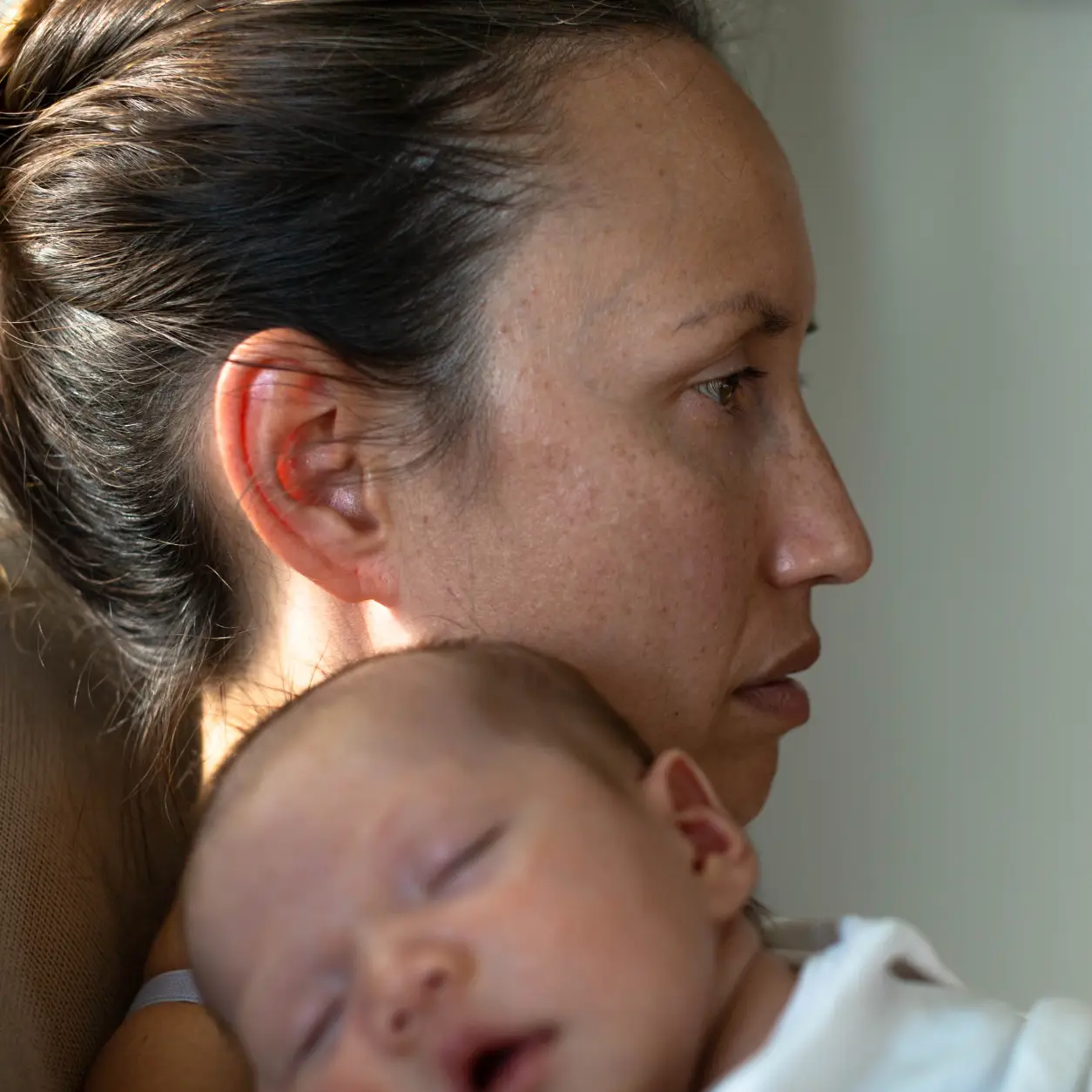

Becoming a parent can change your routines, relationships, priorities, and sense of identity. Therapy gives you a space to work through these changes while figuring out what this new stage of life means for you.
Pregnancy and early parenthood can bring anxiety, sadness, irritability, guilt, or emotions that feel difficult to explain. Therapy helps you talk through what you are experiencing without feeling like you have to hide how you really feel.
Worries about pregnancy, your baby, parenting, or your ability to handle everything can become overwhelming. Therapy helps you recognize these patterns and develop ways to respond when anxious or unwanted thoughts become difficult to manage.
It can be easy to lose sight of your own needs while focusing on pregnancy, fertility treatment, or caring for a baby. Therapy helps you make space for yourself as you adjust to the responsibilities and changes that come with parenthood.
Pregnancy can bring physical changes, uncertainty, anxiety, and complicated emotions about becoming a parent. Therapy Works Wonders provides a place to talk through fears, relationship changes, identity shifts, and other emotions that come up during pregnancy.
The first months after having a baby can bring major changes to your sleep, routines, relationships, and sense of identity. We help you work through the emotional demands of this transition while making space for your own well-being.
Fertility challenges can involve repeated uncertainty, difficult decisions, medical appointments, financial pressure, and emotional ups and downs. Our team provides a place to process these experiences and their impact on your relationships and sense of self.
Grief after a pregnancy loss can affect you long after the immediate event. Therapy Works Wonders provides a space to talk about the loss, the emotions surrounding it, and the changes you may be experiencing as you move forward.


Perinatal mental health refers to emotional and psychological well-being during pregnancy and the period after giving birth. This time can involve major physical, emotional, relationship, and lifestyle changes, and some people experience anxiety, depression, intrusive thoughts, grief, or other emotional challenges during this period.
Yes. You do not have to wait until after giving birth to seek mental health support. Therapy during pregnancy can provide space to work through anxiety, depression, relationship changes, fears about becoming a parent, previous pregnancy experiences, or other emotional challenges.
Your therapist can focus on what you are experiencing during pregnancy and help you prepare emotionally for the changes ahead.
Yes. A difficult pregnancy, complicated delivery, unexpected medical experience, or other stressful event can affect how you feel after your baby arrives.
You may experience anxiety, fear, sadness, intrusive memories, or difficulty feeling comfortable during another pregnancy or medical situation. Therapy can give you space to talk through the experience and its emotional impact.
Yes. Infertility and fertility treatment can involve repeated uncertainty and emotional strain. You may be dealing with disappointment, grief, difficult decisions, changes in your relationship, financial pressure, or feelings about your body and future.
Infertility counseling can provide a place to work through these experiences without having to navigate them alone.
Yes. Pregnancy loss can bring grief, sadness, anger, guilt, confusion, or feelings that are difficult to explain to other people. You may also find that certain dates, conversations, pregnancy announcements, or future pregnancies bring back strong emotions.
Therapy can provide a private place to grieve and work through the changes that follow a loss at your own pace.
Feeling disconnected from your baby does not mean you are a bad parent. Bonding does not always happen immediately, and exhaustion, anxiety, depression, a difficult birth, or other experiences can affect how you feel after having a baby.
Therapy can give you a place to talk about these feelings without judgment and work through what may be making connection difficult.
Guilt can be common when you believe you should feel happier, more grateful, or more connected than you do. You may compare your experience to what you expected parenthood to feel like or to what you see other parents experiencing.
Therapy can give you space to talk honestly about these emotions without judging yourself for having them. You can work through what is making this period difficult and identify ways to support your own well-being.
Yes. Pregnancy and parenthood can change communication, responsibilities, intimacy, routines, and expectations between partners. You may find yourselves arguing more often, feeling disconnected, or struggling to adjust to new responsibilities.
Therapy provides a space to work through these changes and talk about how they affect your relationship.
Teletherapy can be an option for people located in Illinois when virtual sessions are appropriate for their situation. It can provide a way to stay connected with therapy during pregnancy or early parenthood when leaving home or arranging transportation feels difficult.
Your therapist can discuss whether virtual sessions are a good fit based on what you are experiencing and what you want to work on.
We accept BCBS IL PPO, UnitedHealthcare/Optum PPO, Aetna PPO, and Cigna PPO plans. Self-pay options are also available, and sliding-scale options may be available for eligible individuals.
Insurance coverage varies by plan, so verify your benefits and out-of-pocket costs before beginning treatment. Contact our team to ask about your coverage and payment options.
Thoughts of self-harm or harming your baby require immediate attention. If you feel that you may act on these thoughts or cannot keep yourself or your baby safe, call 911 or go to the nearest emergency department. You can also call or text 988 for immediate crisis support.
If you are experiencing intrusive thoughts that frighten you but do not feel at risk of acting on them, tell your therapist or medical provider so they can help you determine the appropriate next step.